


Advanced Detoxification
Original price was: ₹7,383.₹6,571Current price is: ₹6,571.
AIC’s Detoxification Wellness Bundle is a comprehensive Detox and Rejuvenation Bundle. This powerful combination of Gut Cleanse, Opti-Liver, and S. Boulardii Probiotic Care helps eliminate toxins, support liver function, and promote a healthy gut microbiome – helps you detoxify, rebalance, and revitalize your entire body.



Detoxification Pathways
The body's detoxification system involves a series of interconnected pathways that work together to neutralize and eliminate toxins. The primary pathways include the liver, kidneys, gastrointestinal tract, lungs, skin and the lymphatic system, each playing a crucial role in the detoxification process. (Picollet-D’hahan et al., 2021)
Liver - The liver is the central hub of detoxification, responsible for metabolizing and breaking down a wide range of substances, including drugs, alcohol, and environmental pollutants. The liver uses two key phases of detoxification:
Phase I - enzymes like cytochrome P450 convert toxins into reactive intermediates
Phase II - where these compounds are conjugated with other molecules to facilitate excretion (Chiang, 2014) (Ye et al., 2018).
Kidneys - The kidneys filter the blood and excrete waste products and toxins through urine. Some of the waste products excreted through urine are metabolic byproducts and excess hormones. (Chiang, 2014) (Ye et al., 2018) (Picollet-D’hahan et al., 2021)
Gastrointestinal tract - The gut plays a crucial role in detoxification by eliminating toxins through the digestive system. After the process of digestion by the bile, digestive enzymes and intestinal microbiome, the waste products are expelled from the body through bowel movements.
Lungs - The lungs help eliminate carbon dioxide and other volatile toxins like volatile organic compounds (e.g. alcohol) through exhalation.
Skin - The skin serves as a barrier, preventing the entry of toxins while also eliminating waste through sweat and sebum.
Lymphatic system - It transports lymph fluid from tissues to the bloodstream, removing waste, toxins, and excess fluid. Lymph nodes filter the fluid, trapping pathogens and activating white blood cells to eliminate harmful substances.
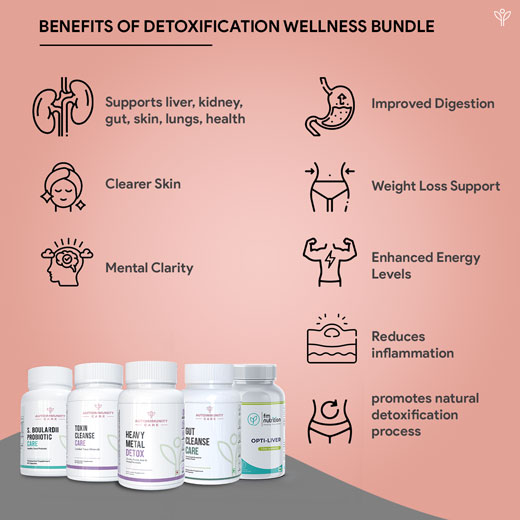
What We Have In Advanced Detoxification
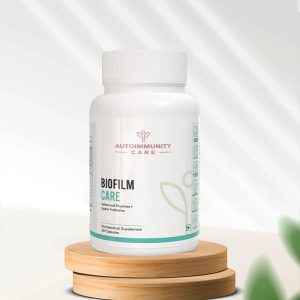
Autoimmunity Care Bio Film Care Capsule

Autoimmunity Care GUT Cleanse Care
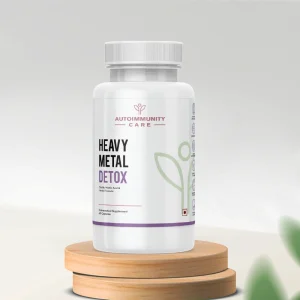
Autoimmunity Care Heavy Metal Detox
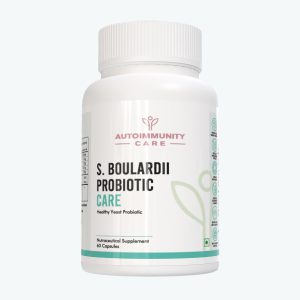
S. Boulardii Probiotic Care by Autoimmunity Care
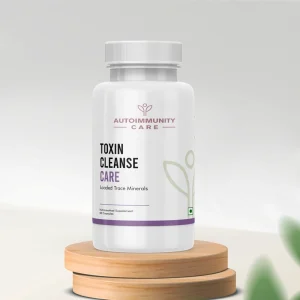
Autoimmunity Care Toxin Cleanse care
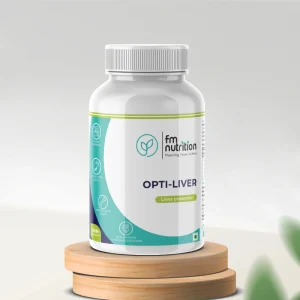
Detoxification Pathways
The body's detoxification system involves a series of interconnected pathways that work together to neutralize and eliminate toxins. The primary pathways include the liver, kidneys, gastrointestinal tract, lungs, skin and the lymphatic system, each playing a crucial role in the detoxification process. (Picollet-D’hahan et al., 2021)
Liver - The liver is the central hub of detoxification, responsible for metabolizing and breaking down a wide range of substances, including drugs, alcohol, and environmental pollutants. The liver uses two key phases of detoxification:
Phase I - enzymes like cytochrome P450 convert toxins into reactive intermediates
Phase II - where these compounds are conjugated with other molecules to facilitate excretion (Chiang, 2014) (Ye et al., 2018).
Kidneys - The kidneys filter the blood and excrete waste products and toxins through urine. Some of the waste products excreted through urine are metabolic byproducts and excess hormones. (Chiang, 2014) (Ye et al., 2018) (Picollet-D’hahan et al., 2021)
Gastrointestinal tract - The gut plays a crucial role in detoxification by eliminating toxins through the digestive system. After the process of digestion by the bile, digestive enzymes and intestinal microbiome, the waste products are expelled from the body through bowel movements.
Lungs - The lungs help eliminate carbon dioxide and other volatile toxins like volatile organic compounds (e.g. alcohol) through exhalation.
Skin - The skin serves as a barrier, preventing the entry of toxins while also eliminating waste through sweat and sebum.
Lymphatic system - It transports lymph fluid from tissues to the bloodstream, removing waste, toxins, and excess fluid. Lymph nodes filter the fluid, trapping pathogens and activating white blood cells to eliminate harmful substances.
How do detoxification pathways help the body?
The body's detoxification pathways work together to maintain homeostasis and protect the body from the harmful effects of toxins and metabolic waste. A disruption in these pathways can lead to cellular damage, oxidative stress, inflammation, hormonal imbalances, impaired immunity, and the development of chronic diseases (Picollet-D’hahan et al., 2021) (Chiang, 2014).
Signs and symptoms of a dysfunctional detoxification system:
The primary cause of menopause is the natural decline in ovarian function, which leads to decreased production of the hormones estrogen and progesterone.
Other causes may include:
• Surgical removal of the ovaries (bilateral oophorectomy)
• Damage to the ovaries from chemotherapy or radiation treatment
• Primary ovarian insufficiency (premature ovarian failure), a condition in which the ovaries stop working before age 40
How is it diagnosed?
There are no specific symptoms that directly indicate detoxification dysfunction. However, general signs may suggest a potential issue with detoxification, but these can only be considered after ruling out other possible medical causes for the symptoms. Some potential signs include:
• Fatigue, brain fog, poor memory
• Digestive issues - bloating, constipation, diarrhoea
• Skin problems - acne, eczema, rashes
• Unexplained weight gain or difficulty losing weight
• Strong odor in sweat or breath
• Muscle aches and joint pains
• Headaches
• Mood changes - anxiety, depression, irritability.
• Increased susceptibility to infections
• Sleep disturbances
• Cravings for sugary and salty foods
Diagnosis:
Assessing detoxification function often involves a combination of medical history, physical examination, and laboratory testing.
Some common tests may include:
• Blood tests to measure levels of toxins, heavy metals, and liver enzymes
• Urine tests to evaluate metabolites and breakdown products
• Stool tests to check for digestive issues and microbiome balance
• Liver and kidney function tests
• Tissue biopsies (e.g., hair, nail) to analyse heavy metal levels. Organ biopsies like liver and bone biopsy may also be done in some cases.
How to support detoxification?
There are various ways to support the body's natural detoxification processes, with a focus on lifestyle modifications and targeted supplementation:
Lifestyle modifications -
• Eat a nutrient-dense, clean whole-food diet rich in fruits, vegetables, lean proteins, fiber and healthy fats. Cruciferous vegetables like cauliflower, kale, broccoli are beneficial for the liver. Support gut healing and detoxification by using natural anti-infection remedies such as garlic and oregano oil, alongside prebiotics, probiotics, and digestive enzymes. Include polyphenol-rich foods like berries, green tea, and olive oil, as well as sulphurous foods such as garlic, onions, and cruciferous vegetables to enhance gut health and detox pathways.
• Minimize processed foods, smoking, alcohol, and sugar while identifying and reducing habitual or addictive consumption of meat, salt, sugar, gluten, and dairy to support detoxification and overall health.
• Stay hydrated by drinking plenty of structured water.
• Exercise regularly to promote circulation and sweating.
• Manage stress and thoughts through relaxation techniques, meditation, or yoga. Vagus nerve stimulation through deep breathing and cold exposure can also activate the parasympathetic nervous system for better detox.
• Adequate sleep to allow the body to rest and recover.
• Forest bathing, incorporating indoor plants to purify the air at home, regular sauna sessions, intermittent fasting, and dry brushing are all beneficial practices for supporting detoxification.
Supplements to support detoxification
• Vitamin B6, Vitamin B12, Folic acid - Support phase I and II liver detoxification.
• Antioxidants - e.g. vitamin C, vitamin E, glutathione, alpha-lipoic acid - help neutralize free radicals and oxidative stress.
• Fiber - e.g. psyllium, flaxseeds, chia seeds - support gut health and elimination.
• Probiotics - Maintain a healthy gut microbiome which is crucial for detoxification.
• Milk thistle - Contains silymarin, which protects and supports liver function.
• N- Acetylcysteine - Precursor to glutathione, a critical antioxidant for detoxification.
• Omega 3 fatty acids - Reduce inflammation and support cellular function.
• Curcumin - Anti-inflammatory and antioxidant properties that support detoxification.
• Heavy metal chelators - EDTA, DMSA
• Heavy metal binders - Zeolite, Chlorella, Fulvic acid, Humic acid, Charcoal
Reference
Chiang, J. Y. L. (2014). Liver Physiology: Metabolism and Detoxification. In Elsevier eBooks (p. 1770). Elsevier BV.
Cline, J. C. (2015). Nutritional aspects of detoxification in clinical practice. In PubMed (Vol. 21, Issue 3, p. 54). National Institutes of Health.
Hodges, R. E., & Minich, D. M. (2015). Modulation of Metabolic Detoxification Pathways Using Foods and Food-Derived Components: A Scientific Review with Clinical Application [Review of Modulation of Metabolic Detoxification Pathways Using Foods and Food-Derived Components: A Scientific Review with Clinical Application]. Journal of Nutrition and Metabolism, 2015, 1. Hindawi Publishing Corporation.
Messner, D. J., Murray, K. F., & Kowdley, K. V. (2012). Mechanisms of Hepatocyte Detoxification. In Elsevier eBooks (p. 1507). Elsevier BV.
Picollet-D’hahan, N., Żuchowska, A., Lemeunier, I., & Gac, S. L. (2021). Multiorgan-on-a-Chip: A Systemic Approach To Model and Decipher Inter-Organ Communication [Review of Multiorgan-on-a-Chip: A Systemic Approach To Model and Decipher Inter-Organ Communication]. Trends in Biotechnology, 39(8), 788. Elsevier BV.
Ye, H., Nelson, L. J., Moral, M. G. del, MartıÌnez-Naves, E., & Cubero, F. J. (2018). Dissecting the molecular pathophysiology of drug-induced liver injury [Review of Dissecting the molecular pathophysiology of drug-induced liver injury]. World Journal of Gastroenterology, 24(13), 1373. Baishideng Publishing Group.